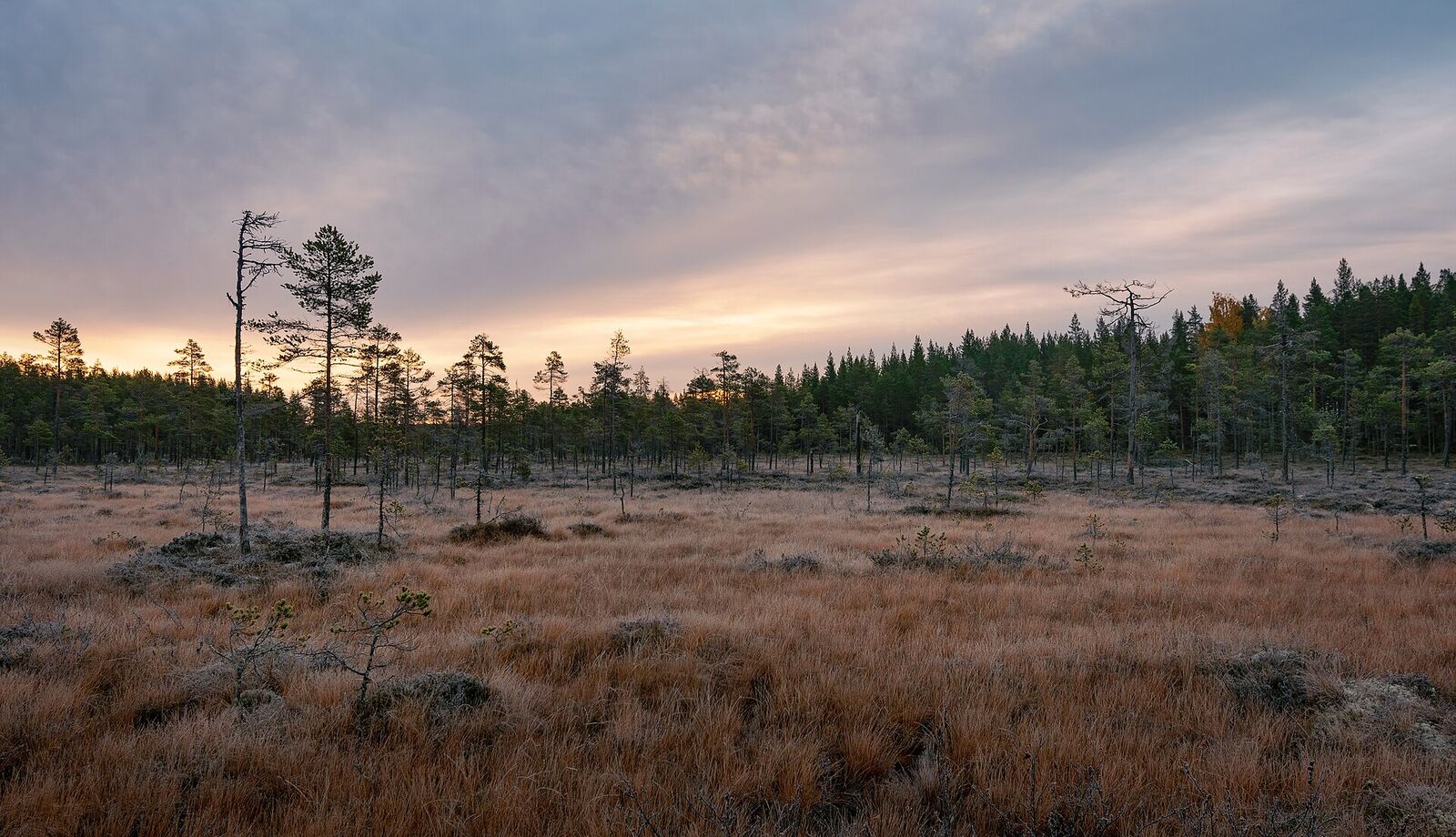

Lake Fågelsjön
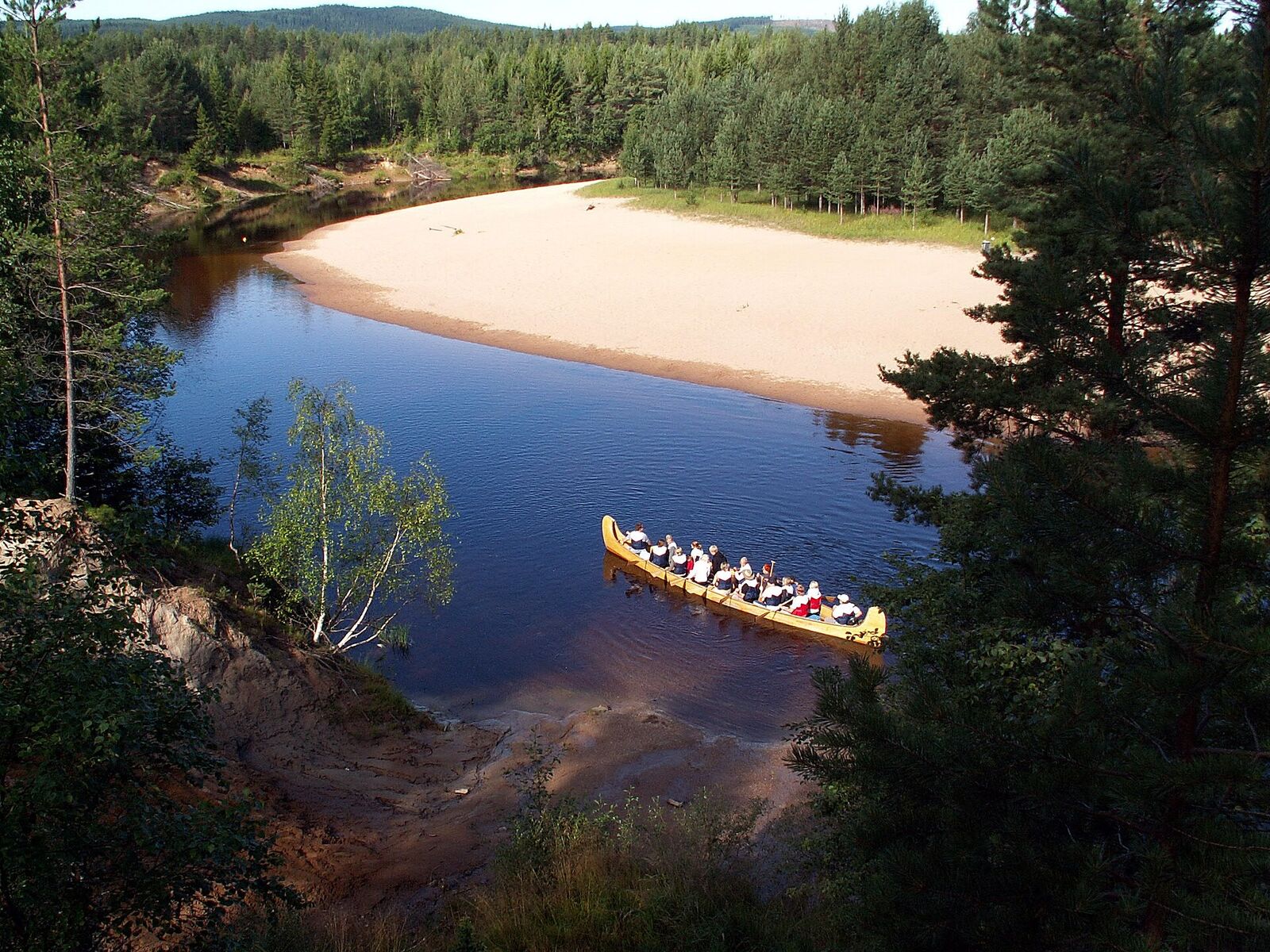

The village lies on the northern shore of Fågelsjön, a lake of almost eight square kilometres at 408 metres above sea level. It stretches five kilometres from north-west to south-east and is full of islands – Kvastholmen and Granholmen are the largest, and many of the smaller ones carry Finnish names from the settlers' days. The lake drains via the Fågelsjöån and Tyckeln into the Voxnan and on to the Ljusnan river. It is regulated by the dam at Tyckeln and can vary by a little over half a metre through the year.
There is a bathing spot within a kilometre of the hostel, and canoes and bikes can be hired at STF Gästis (+46 657 300 30). A paddle among the islands on a light summer evening may be the best way to understand why the settlers stayed here. From the lake's outlet the Fågelsjöån follows the old log-floating route – in places straight, dug canals – gently down to Tyckeln, a popular canoe trail in summer.
Gryssjöån and two nature reserves
South of the village the Gryssjöån runs from Nedre Gryssjön down into Fågelsjön, seven kilometres with a fall of 37 metres through two nature reserves. In Gryssjömyran nature reserve the stream flows gently through mires with wooded islands of 250 to 300 year old pines, old goat willow and aspen – one of the county's most valuable mire complexes for birds. In Gryssjöån nature reserve further down it runs fast through natural forest with trout, freshwater pearl mussel, beaver dams and signs of otter. The stream is classed as a watercourse of particular national value, and along it are remains of a stamp mill, a sawmill, stone embankments and timber flumes from the log-floating era.
Hamra National Park
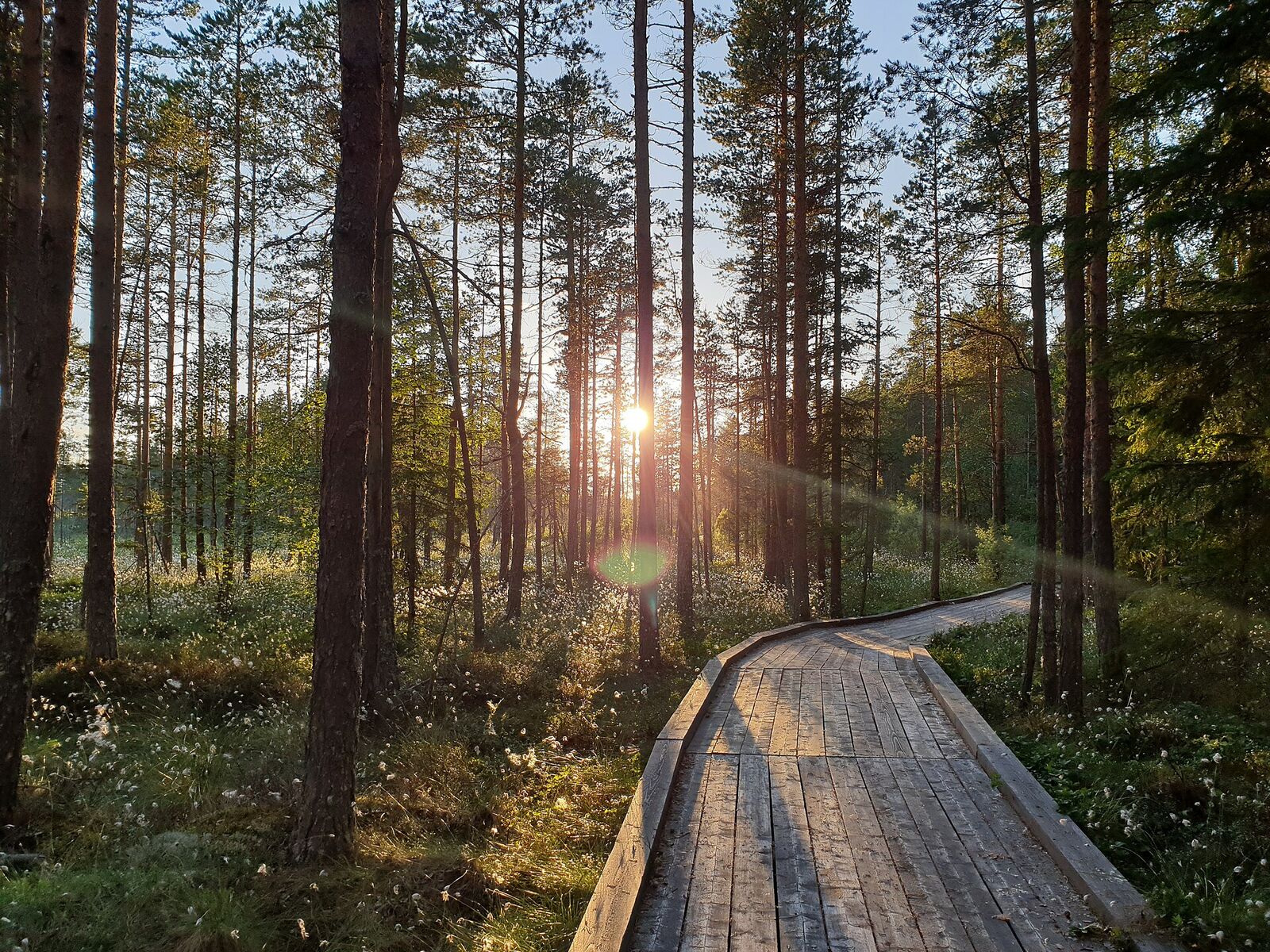

Four kilometres south-east of the village lies Hamra National Park, established on 17 March 1909 as one of the first nine national parks in Sweden – and in Europe. Originally 28 hectares of virgin forest were protected; in 2011 the park was enlarged to 1,383 hectares and now also covers large mires and the Svartån, a river that has never been used for log floating. Pines here are over 400 years old, and more than 450 species of beetle have been found in the dead wood.
The park has three entrances. From the main entrance run the Old-Growth Loop (3 km, partly accessible) and the Svartån Loop (1 km); the Hamra Trail is a full-day walk of about six hours. The Mire entrance and the Svartån entrance open up the mires and the river. The park's entrance architecture won the Siena Prize in 2013. More at Sweden's national parks.
Fishing
Fågelsjön is part of the Finnmarken fishing conservation area together with some thirty other lakes and tarns – among them Gällsjön, Storjättsjön, the Kölsjö lakes, Tandsjön and the Voxnan lakes. Perch and pike are the most common; trout, char, whitefish and roach are found in many of the waters, and in places grayling, zander, brook trout, vendace and burbot.
- Permits
- Bought online via iFiske. Free for anyone 16 or under.
- Boat and canoe
- Fågelsjö: +46 657 300 30. Tandsjöborg: +46 70 633 09 75.
- Contact
- Chair Gjermund Kristensen +46 73 822 15 51, secretary Hannes Schmidt +46 72 206 64 19.
- Shelters
- Lean-to shelters at several of the lakes; see the map on iFiske.
Walking, cycling, foraging

Ljusdal Municipality publishes a cycling and hiking map for Los and Orsa Finnmark, and the forest roads around the village are well suited to bikes. In August and September the forest is full of bilberries and lingonberries, with cloudberries on the mires, and the mushroom season is long. Sweden's right of public access applies – but in the national park you may only pick berries and edible mushrooms for your own use, and fires are allowed only at designated spots.
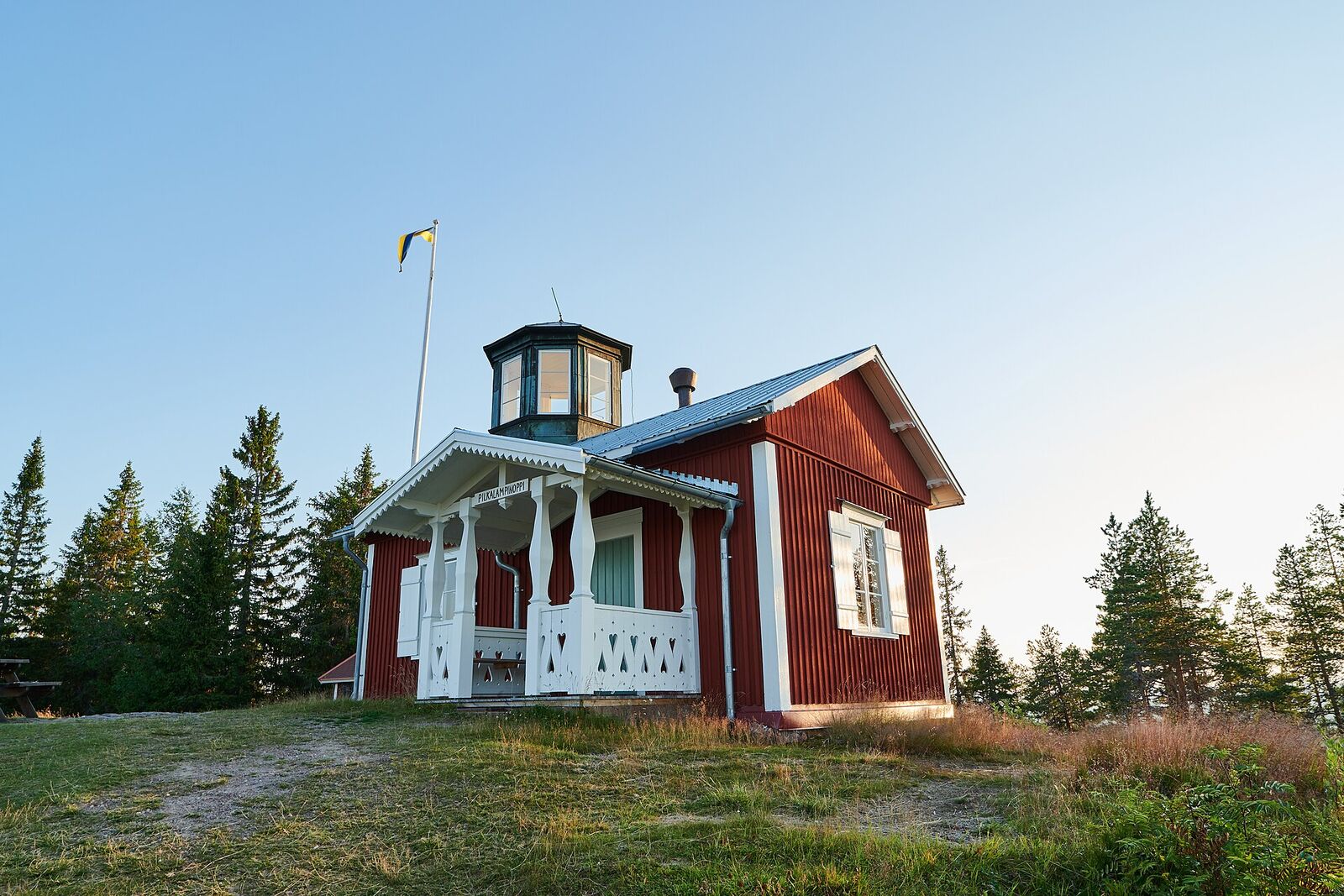
The whole of Orsa Finnmark is designated as being of national interest for outdoor recreation. Among the excursions: Stora Korpimäki (711 m, the county's highest hill, a nature reserve with the 1 km viewpoint loop to the top and the 4 km loop round lake Trubbingen), Pilkalampinoppi (645 m) with Sweden's first fire lookout tower from 1889, Björnskalleholmen and the forestry museum at Börningsberget.
Bears, moose and other neighbours
'Here you live among moose and bears', they say in Los, and it is no exaggeration. Orsa Finnmark has one of the densest brown bear populations in Sweden – the Scandinavian Brown Bear Research Project has its field station at Tackåsen, some way south in the Finnmark. Bears are shy and encounters are rare, but talk or sing when walking through dense forest in late summer so they hear you coming. Moose are often seen at dawn and dusk along the roads; drive carefully, especially on the E45 in September and October.
Winter
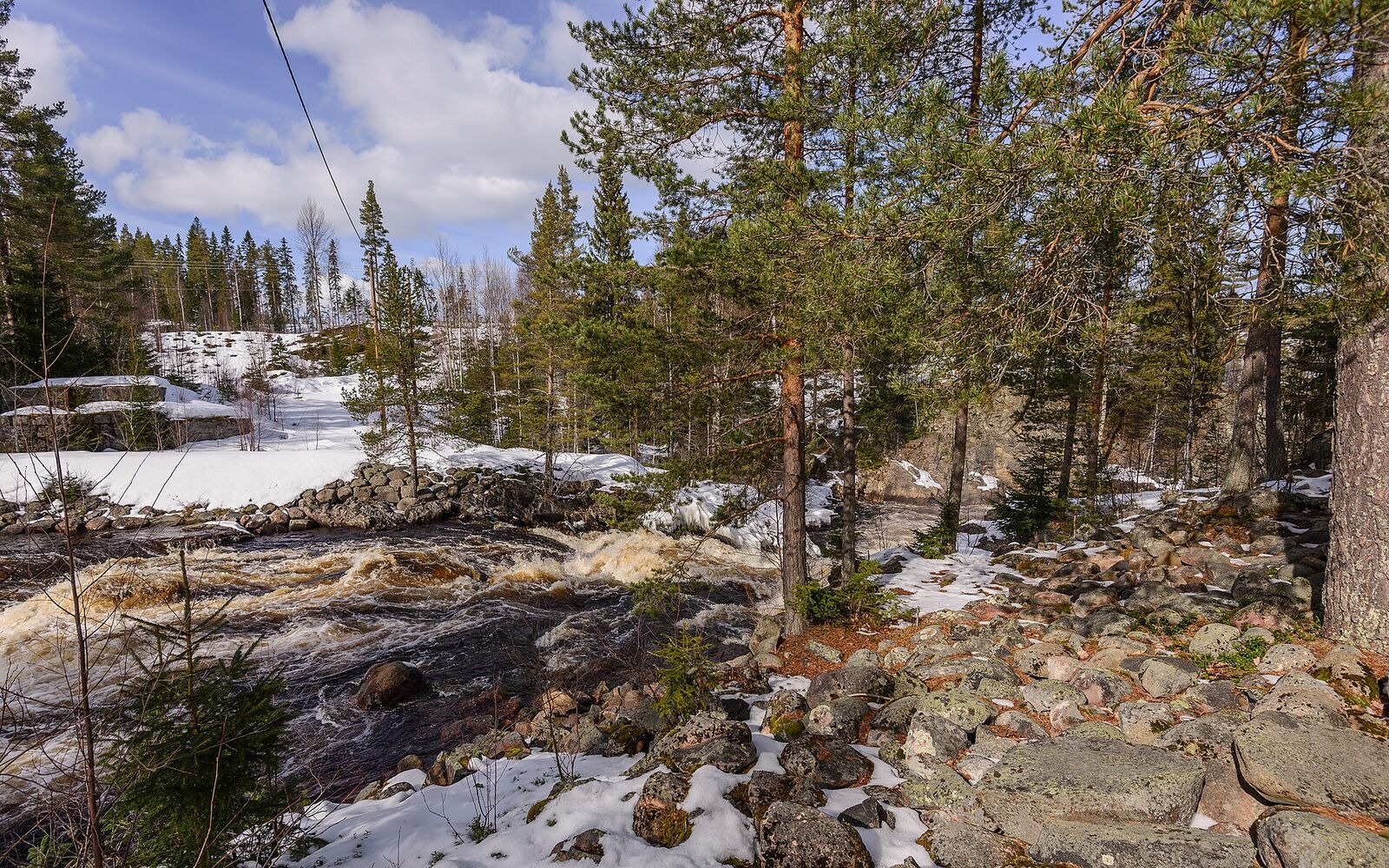

Fågelsjö sits at just over 400 metres in the interior, and winter is long with plenty of natural snow – normally from November to April. The Loos-Hamra snowmobile club grooms a trail network that links the villages and continues towards Sveg and Lillhärdal; the club charges a trail fee that pays for the grooming – buy a pass before you ride. There are cross-country ski tracks in the district, and the lake is used for ice fishing and skating once the ice is safe.
During the school winter break the district holds Loos Winter Week. STF Gästis is open all year and makes a good base for a winter stay.